Choosing the right material determines 90% of how your finished piece will look and perform. After eight years of cutting thousands of orders, we have compiled this reference covering the materials we work with most often and a few you should avoid entirely.
Wood
Wood is the most popular material we cut. The laser interacts differently depending on grain density, resin content, and moisture level.
- Baltic birch plywood -- Our default recommendation. Consistent layers, minimal voids, clean edges. Available in 3mm, 6mm, and 12mm sheets.
- MDF -- Perfectly uniform, no grain. Produces a dark chocolate-colored edge. Ideal for painted signage and stencils.
- Basswood -- Soft, light, and fine-grained. Excellent for architectural models and intricate fretwork.
- Hardwoods (walnut, cherry, maple) -- Beautiful natural color variation. Require slower speeds and higher power. Best for engraving and thinner stock.
Avoid: Treated lumber, pallet wood, and any plywood with phenolic glue (produces harmful fumes).
Acrylic
Cast acrylic cuts cleanly and produces a flame-polished edge that looks almost hand-finished. Extruded acrylic is cheaper but melts rather than vaporizes, leaving a rougher edge.
- Cast acrylic (Perspex, Plexiglas) -- Available in hundreds of colors. Cuts up to 12mm. Edge-lights beautifully for LED signs.
- Mirrored acrylic -- One reflective face. Cut from the back to protect the mirror coating.
- Frosted acrylic -- Diffuses light evenly. Popular for backlit panels and lamp shades.
Avoid: Polycarbonate (Lexan). It does not cut cleanly with CO2 lasers and produces toxic chlorine gas.
Leather & Fabric
The laser seals edges as it cuts, preventing fraying on fabric and producing a clean, slightly darkened edge on vegetable-tanned leather.
- Vegetable-tanned leather -- Safe to cut and engrave. Creates a branded, burned look that many customers love.
- Cotton & denim -- Clean cuts without fraying. Works well for applique, patches, and quilting templates.
- Felt -- Fast to cut; edges remain soft. Used for gaskets, cushioning layers, and craft components.
Avoid: Chrome-tanned leather and PVC-based vinyl. Both release toxic fumes when heated.
Paper & Card
Paper is among the fastest materials to process. We can cut intricate designs that would be impossible with a craft knife.
- Cardstock (200-350gsm) -- Invitations, packaging inserts, pop-up cards.
- Museum board -- Multi-ply acid-free board for model making and matting.
- Corrugated cardboard -- Packaging prototypes and point-of-sale displays.
Metals
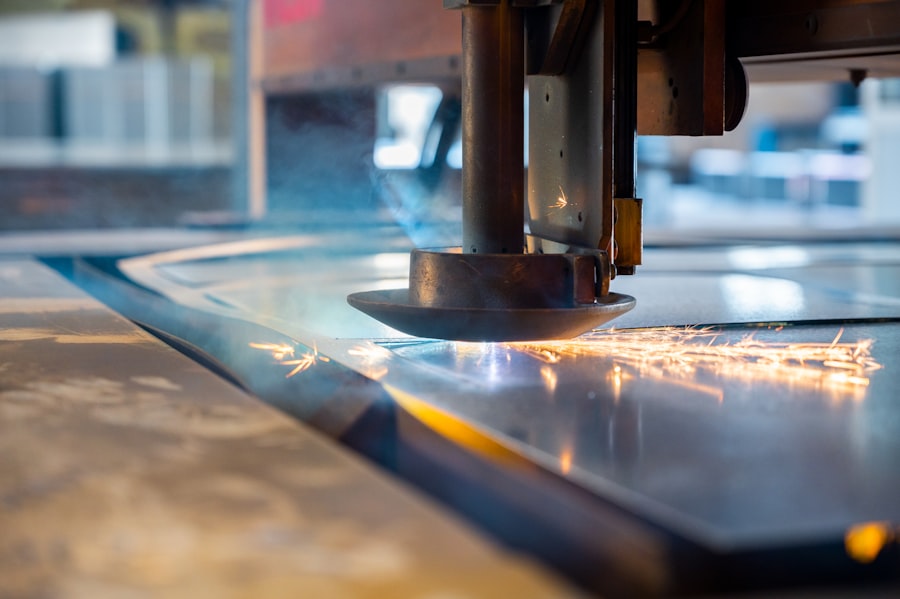
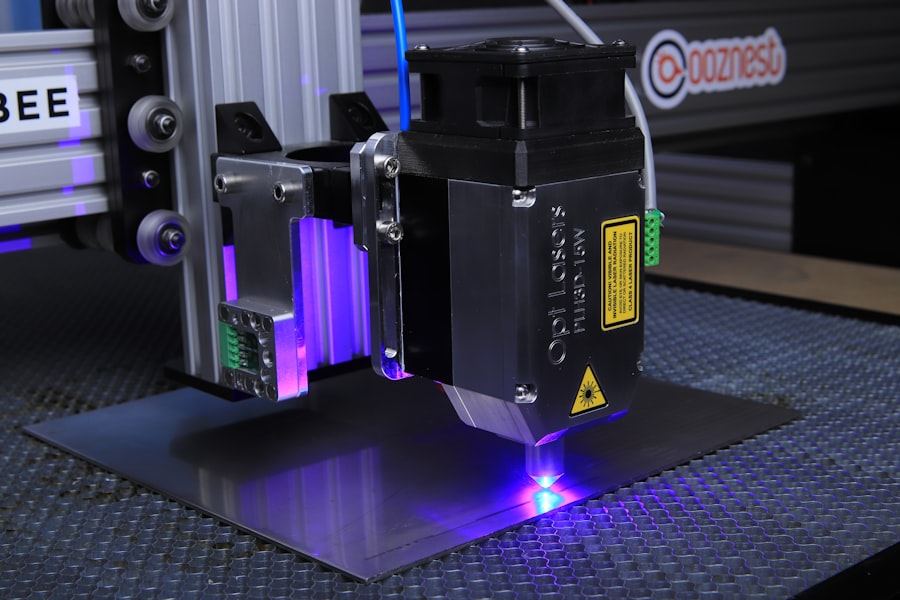
Our fiber laser handles thin metals for marking, engraving, and light cutting.
- Stainless steel (up to 2mm) -- Cut or deep-engraved for tags, tools, and signage.
- Anodized aluminum -- The laser removes the anodized layer, exposing bright aluminum beneath. Sharp contrast for labels and data plates.
- Brass & copper -- Engraving only. The reflective surface requires careful setup to prevent back-reflection.
Materials You Should Never Laser
- PVC or vinyl -- Releases hydrochloric acid gas. Damages the machine and endangers health.
- Polycarbonate -- Discolors, melts unevenly, produces toxic fumes.
- ABS plastic -- Tends to melt and catch fire rather than vaporize cleanly.
- Fiberglass & carbon fiber -- Releases hazardous particulates. Requires industrial filtration beyond our setup.
- Coated or treated metals -- Unknown coatings may contain chlorine or cyanide compounds.
Not Sure About Your Material?
Send us a sample or a product link. We will identify the composition, run a test cut, and let you know whether it is suitable for laser processing. There is no charge for material testing when you place an order.